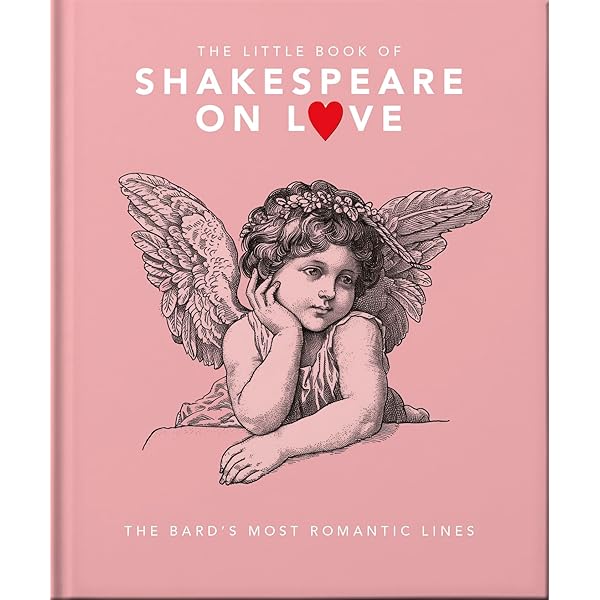
The Little Book of Shakespeare on Love: The Bard's Most Romantic Lines
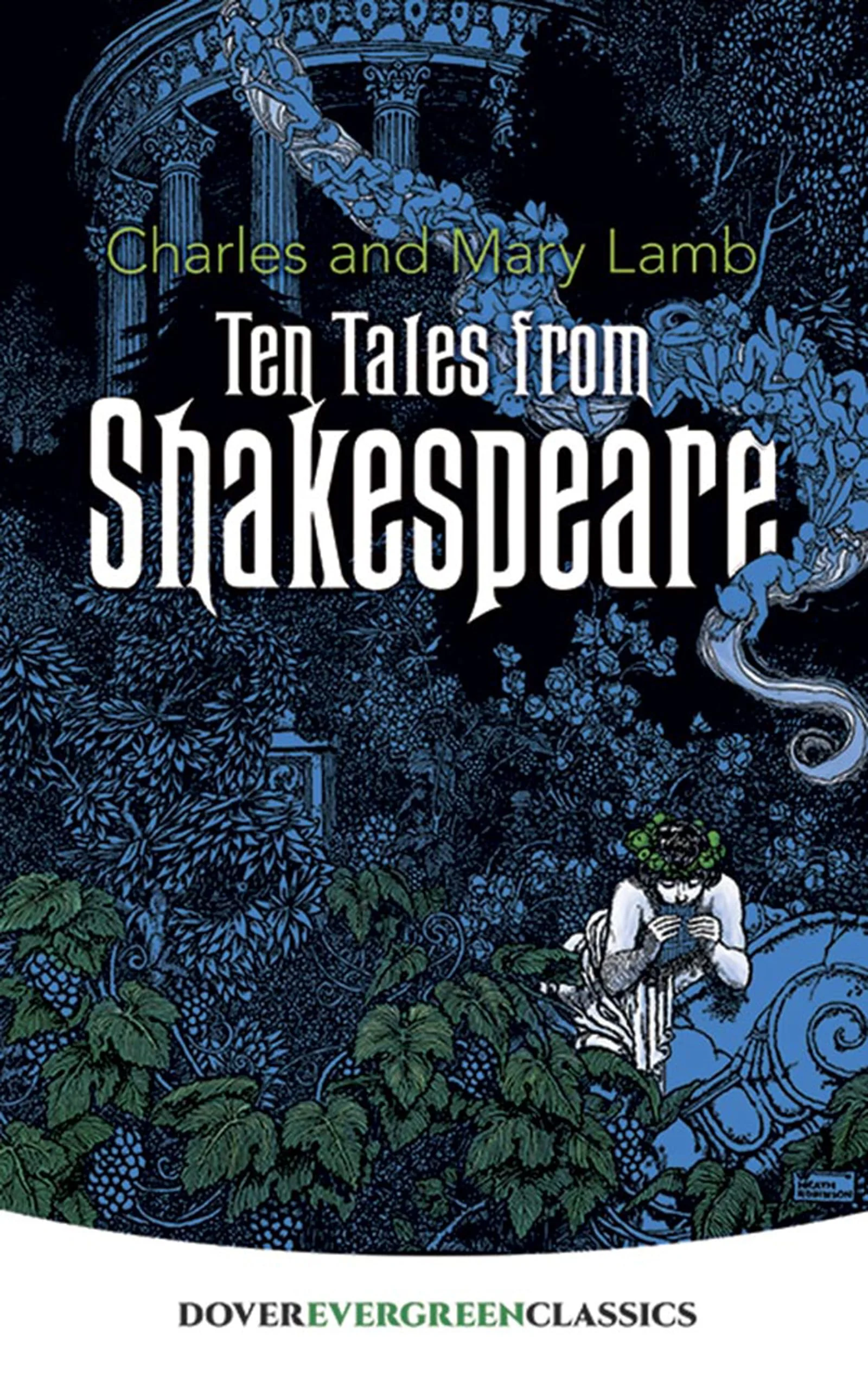
No writer, before or since, has matched Shakespeare in terms of influence, critical acclaim or popular success. And the Bard had plenty to say about the subject of love - the word appears more than 2,000 times in his collected works! Packed full of timeless reflections on the subject - from the star-crossed devotions of Romeo and Juliet to the witty rhetoric in Much Ado About Nothing - and complemented by fascinating facts about Shakespeare and his works - this Little Book contains some of the most romantic and profound lines ever written in the English language.
No-one has influenced the modern rom-com genre as much as Shakespeare. Perhaps the Bard's most influential romantic comedy is Much Ado About Nothing, the timeless tale of sworn enemies who become lovers. Countless pop-culture pairings owe a debt to the play, from Elizabeth and Mr Darcy in Pride and Prejudice to the leads in When Harry Met Sally and Something's Gotta Give.
Shakespeare's best-loved sonnet, "Shall I Compare Thee to a Summer's Day?", touches on the themes of unattainable love and mortality. The poem is part of Shakespeare's "Fair Youth" sequence of sonnets, which many historians believe are actually about a young man.
Original: $8.95
-65%$8.95
$3.13The Little Book of Shakespeare on Love: The Bard's Most Romantic Lines
No writer, before or since, has matched Shakespeare in terms of influence, critical acclaim or popular success. And the Bard had plenty to say about the subject of love - the word appears more than 2,000 times in his collected works! Packed full of timeless reflections on the subject - from the star-crossed devotions of Romeo and Juliet to the witty rhetoric in Much Ado About Nothing - and complemented by fascinating facts about Shakespeare and his works - this Little Book contains some of the most romantic and profound lines ever written in the English language.
No-one has influenced the modern rom-com genre as much as Shakespeare. Perhaps the Bard's most influential romantic comedy is Much Ado About Nothing, the timeless tale of sworn enemies who become lovers. Countless pop-culture pairings owe a debt to the play, from Elizabeth and Mr Darcy in Pride and Prejudice to the leads in When Harry Met Sally and Something's Gotta Give.
Shakespeare's best-loved sonnet, "Shall I Compare Thee to a Summer's Day?", touches on the themes of unattainable love and mortality. The poem is part of Shakespeare's "Fair Youth" sequence of sonnets, which many historians believe are actually about a young man.
Product Information
Product Information
Shipping & Returns
Shipping & Returns
Description
No writer, before or since, has matched Shakespeare in terms of influence, critical acclaim or popular success. And the Bard had plenty to say about the subject of love - the word appears more than 2,000 times in his collected works! Packed full of timeless reflections on the subject - from the star-crossed devotions of Romeo and Juliet to the witty rhetoric in Much Ado About Nothing - and complemented by fascinating facts about Shakespeare and his works - this Little Book contains some of the most romantic and profound lines ever written in the English language.
No-one has influenced the modern rom-com genre as much as Shakespeare. Perhaps the Bard's most influential romantic comedy is Much Ado About Nothing, the timeless tale of sworn enemies who become lovers. Countless pop-culture pairings owe a debt to the play, from Elizabeth and Mr Darcy in Pride and Prejudice to the leads in When Harry Met Sally and Something's Gotta Give.
Shakespeare's best-loved sonnet, "Shall I Compare Thee to a Summer's Day?", touches on the themes of unattainable love and mortality. The poem is part of Shakespeare's "Fair Youth" sequence of sonnets, which many historians believe are actually about a young man.